English| EUR
Suggested for you
More currencies
Choose a language
Doi Inthanon National Park hosts several elephant encounter operators, each claiming ethical credentials. The difference between genuine sanctuary conditions and commercial entertainment dressed in conservation language comes down to observable practices—how the animals spend their day, what visitors are allowed to do, and whether the business model prioritizes animal welfare or visitor throughput.
Quick answer
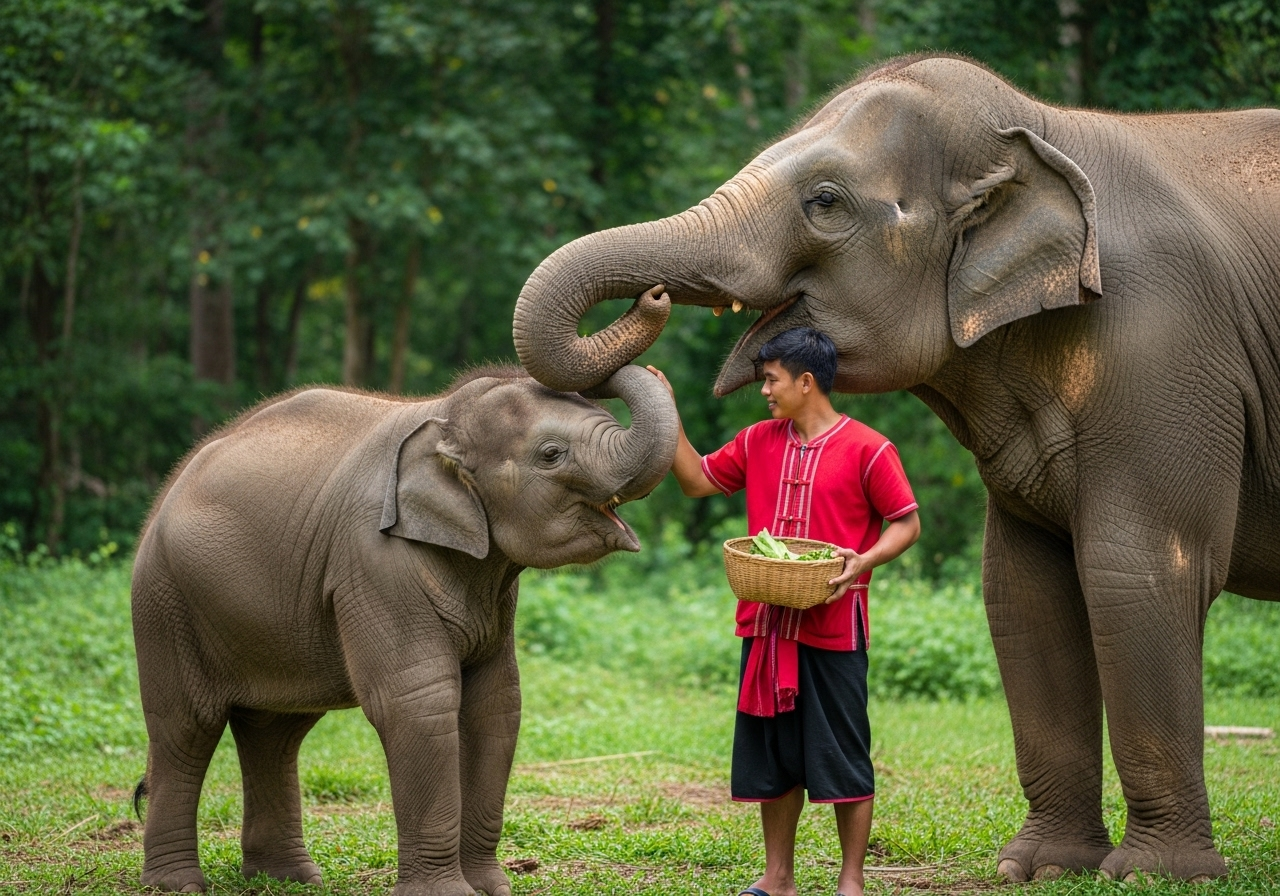
The ethical standing of elephant sanctuaries near Doi Inthanon varies significantly by operator. Genuinely ethical facilities prohibit riding, eliminate bull hooks and chains from daily management, provide multi-acre natural foraging habitat, limit visitor contact hours, employ mahouts trained in positive reinforcement, and maintain transparent veterinary records. Operations that schedule back-to-back visitor sessions, confine elephants to small enclosures between interactions, or market bathing and feeding as unlimited experiences typically fail core welfare benchmarks regardless of their branding.
No elephant sanctuary operates on a universal standard, and the term itself carries no regulatory weight in Thailand. Doi Inthanon's proximity to Chiang Mai has made the surrounding valleys a dense market for elephant tourism, where the language of conservation is now ubiquitous but the practices behind it span a wide spectrum. Some operators have retired working elephants into genuinely low-stress environments with veterinary oversight and behavioral enrichment; others have rebranded traditional camps as sanctuaries while preserving the same schedules, enclosures, and income models that defined the old riding operations. The observable markers of welfare-centered management are concrete. Ethical elephant care at Doi Inthanon or anywhere else requires that animals control their own movement across large foraging areas for most of the day, that mahouts use only voice commands and positive reinforcement rather than implements or physical correction, and that visitor interaction is restricted to observation or brief, structured activities that do not override the elephants' agency to disengage. Facilities meeting these criteria typically cap daily visitor numbers, rotate which elephants participate in encounters, and decline photo opportunities that require the animal to perform or remain stationary. The 300 THB conservation fee collected at the national park entrance supports habitat protection but does not fund or certify the private elephant operations in the buffer zones, so visitors must evaluate each operator independently. Red flags include any offer to ride, any visible use of bull hooks or chains during the visit, concrete or packed-dirt enclosures without shade or mud wallows, and itineraries that schedule consecutive groups throughout the day without rest intervals for the animals. Ethical elephant tourism means accepting that the experience centers the animal's routine rather than the visitor's expectations. Operators working within that framework will explain their rehabilitation histories, introduce their veterinary partners, and show rather than tell how their elephants spend the hours when no guests are present. The difference between responsible elephant encounters and exploitation at Doi Inthanon is not a matter of marketing narrative—it is a matter of space, schedule, and whether the business model can survive without compromising the animal's autonomy.
“Ethical elephant tourism means accepting that the experience centers the animal's routine rather than the visitor's expectations.”
Misconceptions often arise due to the wide variety of operations in the region, ranging from strictly conservation-based initiatives to venues prioritizing commercial interaction. Distinguishing between these models is essential for supporting sustainable elephant welfare.
MythAll elephant venues in Doi Inthanon follow the same welfare standards.
FactWelfare standards vary significantly between venues; some prioritize observation, while others allow direct contact that can be stressful for elephants.
MythRiding elephants is an ethical way to support sanctuary operations.
FactRiding is generally considered harmful to elephant health and is not practiced by ethical, conservation-focused projects.
MythSanctuaries that allow swimming with elephants are always ethical.
FactForced water interaction often disregards an elephant's natural behavior and can cause distress; ethical projects typically focus on hands-off observation.
MythElephant sanctuaries are primarily government-run conservation centers.
FactMany venues are privately operated, meaning their practices, care standards, and conservation focus depend entirely on the specific project management.
Visitor behavior directly influences elephant welfare. Ethical evaluation requires observing how sanctuaries manage human-animal interaction and whether operations prioritize conservation over entertainment.
Doi Inthanon National Park operates daily throughout the week, including weekends and public holidays. Consistent hours apply for visitors planning trips to the area.
Everything you need to know about is doi inthanon elephant sanctuary ethical
Determining if an elephant sanctuary is ethical involves looking for operations that prioritize animal welfare over visitor interaction. When considering is doi inthanon elephant sanctuary ethical, look for facilities that prohibit riding and promote natural behaviors. You should always research specific provider policies before booking an excursion.
To verify if your chosen elephant camp operates humanely, look for organizations that do not support chains, hooks, or performances. Confirming is doi inthanon elephant sanctuary ethical often requires reading recent visitor reports about how keepers manage the animals. Observation-based experiences are typically preferred over those involving direct physical contact.
Ethical tourism advocates generally advise against elephant trekking because the process of taming animals often involves harmful practices. If you ask is doi inthanon elephant sanctuary ethical, consider that facilities focusing on rehabilitation and rescue are usually more reputable than those offering rides. Prioritize sanctuaries that allow elephants to roam freely in large, protected enclosures.
The best arrival window is 05:30–09:00 to avoid peak crowds and capture the best light for photography. This early start also helps you navigate the park before the mid-day heat. Planning your visit for these hours ensures a more peaceful experience at major landmarks.
The standard park entry fee of 300 THB is a conservation fee per foreign adult for visiting Doi Inthanon National Park. This fee does not include entry to private elephant sanctuaries or tour activities. Always clarify if your tour package includes these government entrance fees before departure.
When searching for ethical elephant encounters in Chiang Mai, investigate if the sanctuary has a transparent rescue policy. Understanding if a location is truly ethical involves verifying that elephants are not forced to perform tricks for tourists. Reputable sites focus on education and the natural wellbeing of the herd.
Doi Inthanon Elephant Sanctuary Prices & Tour Options
Read more GuideDoi Inthanon Elephant Sanctuary Trekking Trail
Read more Tickets & toursDoi Inthanon National Park and Elephant Sanctuary Tour
Read more GuideDoi Inthanon Elephant Sanctuary Reviews
Read more GuideWhat to Wear to Doi Inthanon Elephant Sanctuary
Read more