
English| EUR
Suggested for you
More currencies
Choose a language
Guests visiting elephant sanctuaries near Doi Inthanon National Park share detailed accounts of their experiences with rescue programs, mahout-guided care sessions, and conservation education. These reviews offer insight into program structure, animal welfare standards, and the practical realities of visiting Thailand's mountain-based elephant refuges. Understanding what recent visitors encountered helps set realistic expectations.
Quick answer
Visitor feedback for elephant sanctuaries operating near Doi Inthanon consistently highlights no-riding policies, transparent rescue histories, and hands-on care activities including feeding, bathing, and mud spa preparation. Most programs run half-day sessions with small groups, emphasizing observation and education over entertainment. Reviews from mid-2025 through September 2026 note improved English-language briefings and clearer communication about each elephant's background and behavioral needs.
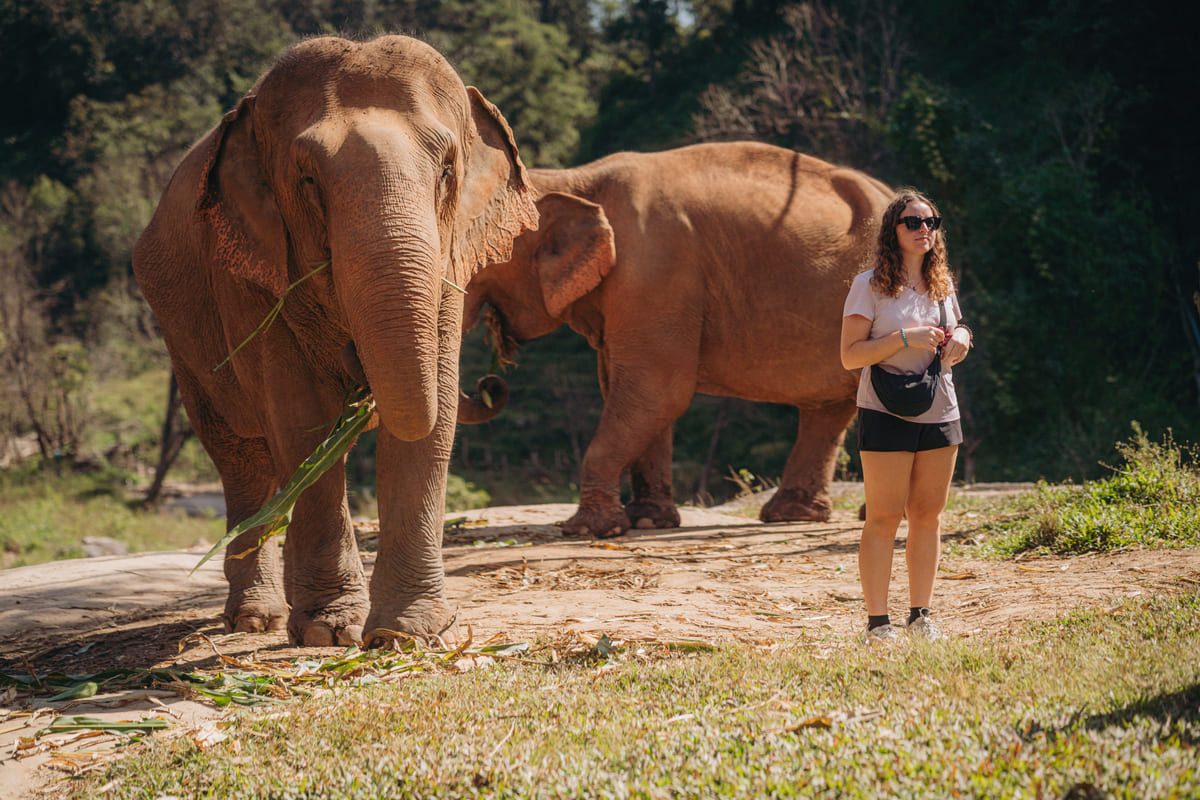
The elephant sanctuaries accessible from Doi Inthanon National Park occupy a distinct niche within Thailand's ethical tourism landscape—small-scale refuges that prioritize rehabilitation over spectacle. Most operate on forested hillside terrain between 800 and 1,200 meters elevation, where cooler temperatures and natural water sources create favorable conditions for rescued elephants transitioning from logging or tourism work. Visitor accounts consistently mention the terrain itself: steep approach roads, abundant vegetation, and the absence of performance arenas or viewing platforms. Guest reviews of doi inthanon elephant sanctuary experiences center on three program components. Morning sessions typically begin with an educational briefing covering each resident elephant's history, age, and specific care requirements. Visitors then participate in food preparation—cutting sugar cane, bundling bamboo shoots, and mixing herbal supplements—before moving to feeding areas where elephants forage freely rather than performing tricks. The second half involves bathing routines in natural streams or constructed pools, with mahouts guiding participants on safe approach distances and respectful interaction protocols. Reviewers note that physical contact is limited and always elephant-initiated, a departure from facilities where handlers direct animals to pose or accept touches on command. Feedback about conservation education varies by provider. The strongest programs dedicate time to explaining Thailand's captive elephant population dynamics, the legal framework preventing reintroduction to protected areas, and the economic pressures that historically drove abusive training practices. Visitors describe learning about observable stress indicators—ear position, trunk movement, vocalization patterns—that inform daily care decisions. This depth of information distinguishes sanctuaries prioritizing welfare advocacy from those offering surface-level interactions. Recent assessments of elephant sanctuary tours near Doi Inthanon also address logistical realities that shape the experience. Most refuges limit daily capacity to 8-15 guests, requiring advance booking during peak months from November through February. The 300 THB national park entrance fee applies when sanctuaries operate within or directly adjacent to protected boundaries, adding to program costs. Transport from Chiang Mai typically involves 90-minute drives on winding mountain roads, with pickup times as early as 05:30 to align with elephants' morning feeding schedules. Reviews emphasize the physical nature of participation—uneven terrain, stream crossings, and outdoor conditions that require appropriate footwear and sun protection. The most detailed visitor accounts mention specific mahout practices, facility transparency about funding allocation, and post-visit educational resources. These elements distinguish programs with genuine conservation missions from commercial operations adopting sanctuary branding without substantive welfare reforms.
“The mahouts explained each elephant's rescue story in detail, and you could see the difference between care based on observation and care based on schedule.”
The best arrival window is 05:30–09:00, which allows visitors to bypass peak heat and the dense afternoon traffic common in the national park. Early entry ensures a more temperate environment for observing sanctuary activities before the mid-day sun intensifies.
Cool, dry; 10°C to 20°C
This period offers the most comfortable weather for outdoor activities. Mornings are crisp, though popular trails see higher visitor volume.
Hot, dry; 25°C to 35°C
Temperatures rise significantly during these months. Arriving within the early window is essential to avoid heat exhaustion during the midday peak.
Humid, rainy; 20°C to 28°C
Expect frequent rainfall which keeps the landscape lush. Visitor numbers are lower, providing a quieter experience for those prepared for wet conditions.
Verdict: The optimal experience is found during the cool season, specifically November to February, prioritizing the 05:30–09:00 arrival window to maximize comfort and minimize crowds.
Doi Inthanon National Park, which hosts various sanctuary programs, maintains consistent daily operating hours throughout the year.
Doi Inthanon National Park is located in Ban Luang, Chom Thong District, Chiang Mai 50160, Thailand. Accessing the area typically requires private transport or organized tours due to the distance from Chiang Mai city.
Highway 108 and 1009 from Chiang Mai
Private hire from Chiang Mai city
Local yellow songthaew from Chang Phueak Bus Station to Chom Thong, then transfer
Secure pre-arranged transport, as public transit does not reach specific sanctuary sites directly. Arriving via private vehicle allows for more control over your travel schedule within the national park.
Respectful behavior ensures the elephants' well-being and supports the sanctuary's conservation mission. Observing guidelines protects both visitors and animals during your visit.
Everything you need to know about doi inthanon elephant sanctuary reviews
Reading doi inthanon elephant sanctuary reviews provides significant insight into the logistics of your trip to this Chiang Mai landmark. Many travelers find that these experiences help clarify what to expect during their trek through the cloud forest.
Most guests emphasize the ethical treatment of elephants in recent reports, focusing on the observation-based nature of the Chiang Mai elephant tours. These accounts often highlight the importance of natural habitats and gentle human interaction.
While many doi inthanon elephant sanctuary reviews discuss the total cost of a day trip, remember that the conservation fee is 300 THB per foreign adult. This mandatory entry fee contributes to the maintenance of the national park infrastructure.
The remote setting within the mountain range is a common theme, with reviewers noting that the travel time is part of the experience. Being located in Ban Luang, the area offers a peaceful escape away from the city center.
Families often share in their feedback that the educational aspects of the sanctuary are a highlight for children. They suggest keeping a steady pace and ensuring little ones are prepared for the mountainous terrain.
Consistently, travelers recommend arriving between 05:30–09:00 to avoid peak heat and afternoon crowds. Planning your visit for early morning ensures you can enjoy the park features before the mid-day rush.
Is Doi Inthanon Elephant Sanctuary Ethical?
Read more Tickets & toursDoi Inthanon Elephant Sanctuary Prices & Tour Options
Read more GuideDoi Inthanon Elephant Sanctuary Trekking Trail
Read more Tickets & toursDoi Inthanon National Park and Elephant Sanctuary Tour
Read more GuideWhat to Wear to Doi Inthanon Elephant Sanctuary
Read more