
English| EUR
Suggested for you
More currencies
Choose a language
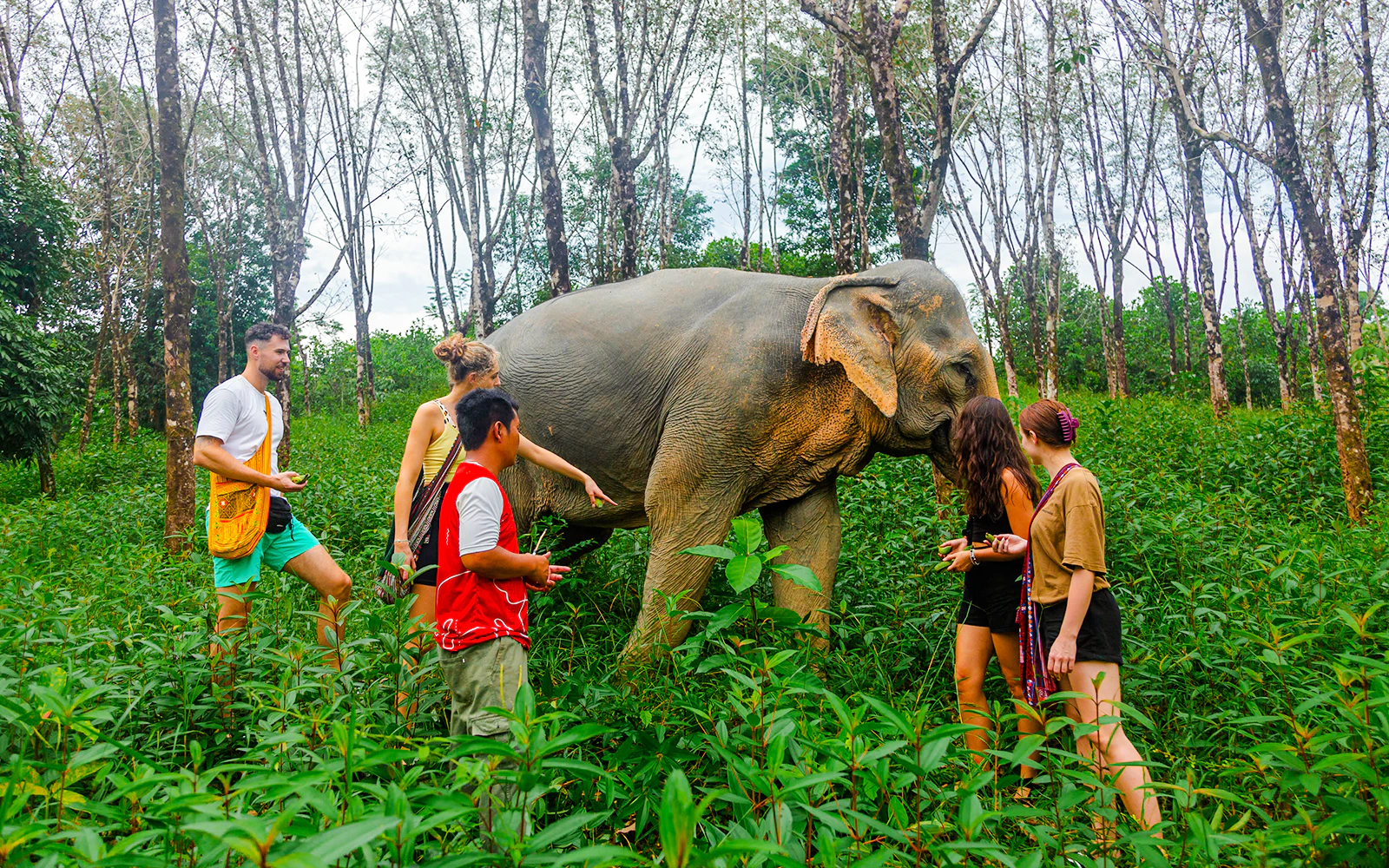
Elephant sanctuary visits at Doi Inthanon involve walking forest trails, bathing elephants in rivers, and standing in mud—sometimes knee-deep. The right clothing keeps you comfortable through water, dirt, and the highland heat while respecting the animals and the environment.
Quick answer
Wear quick-dry shorts or lightweight pants, a breathable short-sleeve shirt, and closed-toe water shoes or sturdy sandals with ankle straps for what to wear to elephant sanctuary thailand. Bring a wide-brimmed hat, reef-safe sunscreen, and a change of clothes—you will get wet and muddy during bathing and feeding activities. Avoid loose jewelry, open-toe sandals, and anything white.
Doi Inthanon's elephant sanctuaries sit between 800 and 1,200 meters elevation, where morning mist gives way to humid midday warmth and afternoon cloud cover. The terrain shifts from packed-earth feeding platforms to slippery riverbanks and forest paths threaded with exposed roots and smooth stones worn by decades of runoff. Your clothing strategy for visiting an elephant sanctuary in Thailand starts with fabric that dries in under two hours. Cotton holds water and chafes; synthetic blends or merino wool shed moisture and stay light against your skin. Plan for full submersion—bathing sessions mean wading chest-deep into rivers while scrubbing elephants with brushes, and the animals often spray water without warning. A lightweight long-sleeve shirt protects your shoulders from both sun and the occasional enthusiastic trunk flick, though most visitors find short sleeves more practical once the temperature climbs past 28°C. Footwear dictates how confidently you move. Open-toe sandals slip off in mud; flip-flops offer no ankle support on uneven ground. Water shoes with drainage holes and rubberized soles grip wet stone and dry within an hour, and sport sandals with three adjustable straps stay secure through river crossings. Avoid hiking boots—the weight becomes punishing once soaked, and they trap heat on the walk back to the visitor center. Sun protection at this elevation is non-negotiable. A hat with a 7-centimeter brim keeps your face and neck shaded during the two-hour feeding and walking segments that bookend water activities. Reef-safe sunscreen protects both your skin and the watershed that feeds downstream rice paddies. Doi Inthanon's conservation fee funds habitat restoration, and chemical sunscreens compromise that work. Pack a second full outfit in a dry bag—shoes included. The return journey to Chom Thong takes 45 minutes on winding roads, and sitting in wet clothes in air-conditioned vans drops your core temperature faster than the altitude does. A lightweight sarong or towel bridges the gap between the final activity and the changing area, which most sanctuaries position near the parking zone. What to wear to elephant sanctuary thailand comes down to one principle: assume you will be covered in mud and river water by the end, and dress so that outcome feels like part of the experience rather than a problem to solve.
“Water shoes with drainage holes and rubberized soles grip wet stone and dry within an hour, and sport sandals with three adjustable straps stay secure through river crossings.”
Elephant sanctuaries in Thailand expect respectful dress that covers shoulders and knees, balancing cultural sensitivity with the practical demands of working alongside animals in muddy, wet conditions.
Pack the right gear to stay comfortable on muddy trails and under the tropical sun.
The best arrival window is 05:30–09:00, which allows visitors to avoid mid-day heat and large crowds at popular viewpoints and trails. Planning your visit during cooler, dry periods ensures comfort while traversing the park's varied terrain.
Cool and dry, 10°C to 20°C
Hot and humid, 25°C to 35°C
Rainy and cool, 15°C to 25°C
—
Verdict: The best time to visit is during the cool, dry season from November to February, specifically arriving between 05:30 and 09:00 on weekdays to minimize crowds and heat.
Doi Inthanon National Park operates on a consistent daily schedule to accommodate visitors. Planning your visit within these hours ensures you have adequate time to navigate the park facilities.
Everything you need to know about what to wear to elephant sanctuary thailand
When planning what to wear to elephant sanctuary Thailand, opt for lightweight, breathable fabrics that cover your shoulders and knees to show respect for local customs. Quick-dry materials are ideal as you may get wet or dirty while interacting with animals in the park.
Respectful attire is essential throughout the national park, so avoid overly revealing clothing. As you decide what to wear to elephant sanctuary Thailand, remember that modest dress is preferred at all Thai forest sites.
Sturdy, closed-toe walking shoes or trekking sandals with good grip are recommended for navigating jungle paths. Proper footwear is a vital component of what to wear to elephant sanctuary Thailand to ensure your safety on uneven terrain.
Because of the elevation, temperatures can be cooler than in Chiang Mai city, especially early in the morning. Bringing a light jacket is a smart addition to your plan for what to wear to elephant sanctuary Thailand.
Most organized tours provide a location to change clothes, but it is best to wear your base layer underneath your outer garments for convenience. Always check with your specific tour provider regarding available facilities before you arrive.
The best arrival window is 05:30–09:00, as this allows you to avoid mid-day heat and large crowds at popular viewpoints. Arriving early also ensures a smoother start to your excursion within the park.
Is Doi Inthanon Elephant Sanctuary Ethical?
Read more Tickets & toursDoi Inthanon Elephant Sanctuary Prices & Tour Options
Read more GuideDoi Inthanon Elephant Sanctuary Trekking Trail
Read more Tickets & toursDoi Inthanon National Park and Elephant Sanctuary Tour
Read more GuideDoi Inthanon Elephant Sanctuary Reviews
Read more